It is important to choose the appropriate industrial CNC machine to increase manufacturing precision and speed, as well as operational efficiency. Computer numerical control (CNC) technology allows companies to automate machining processes, minimize manual errors, and create complex components with consistent quality thanks to programming. CNC equipment is widely used in manufacturing production areas, including the automotive and aerospace industries, metalworking, and making electronic devices.
Nevertheless, to find the best equipment, industry representatives should consider many factors related to machinery capabilities and production needs before purchasing the device. This guide describes CNC equipment types, their application areas, and aspects to keep in mind when buying.
Industrial CNC machines can be described as a “computerized system” that performs operations such as cutting, drilling, milling, turning, and engraving by following programmed instructions without any manual intervention. This type of equipment utilizes specialized software, motors, controllers, and tools for producing high-precision components with maximum efficiency.
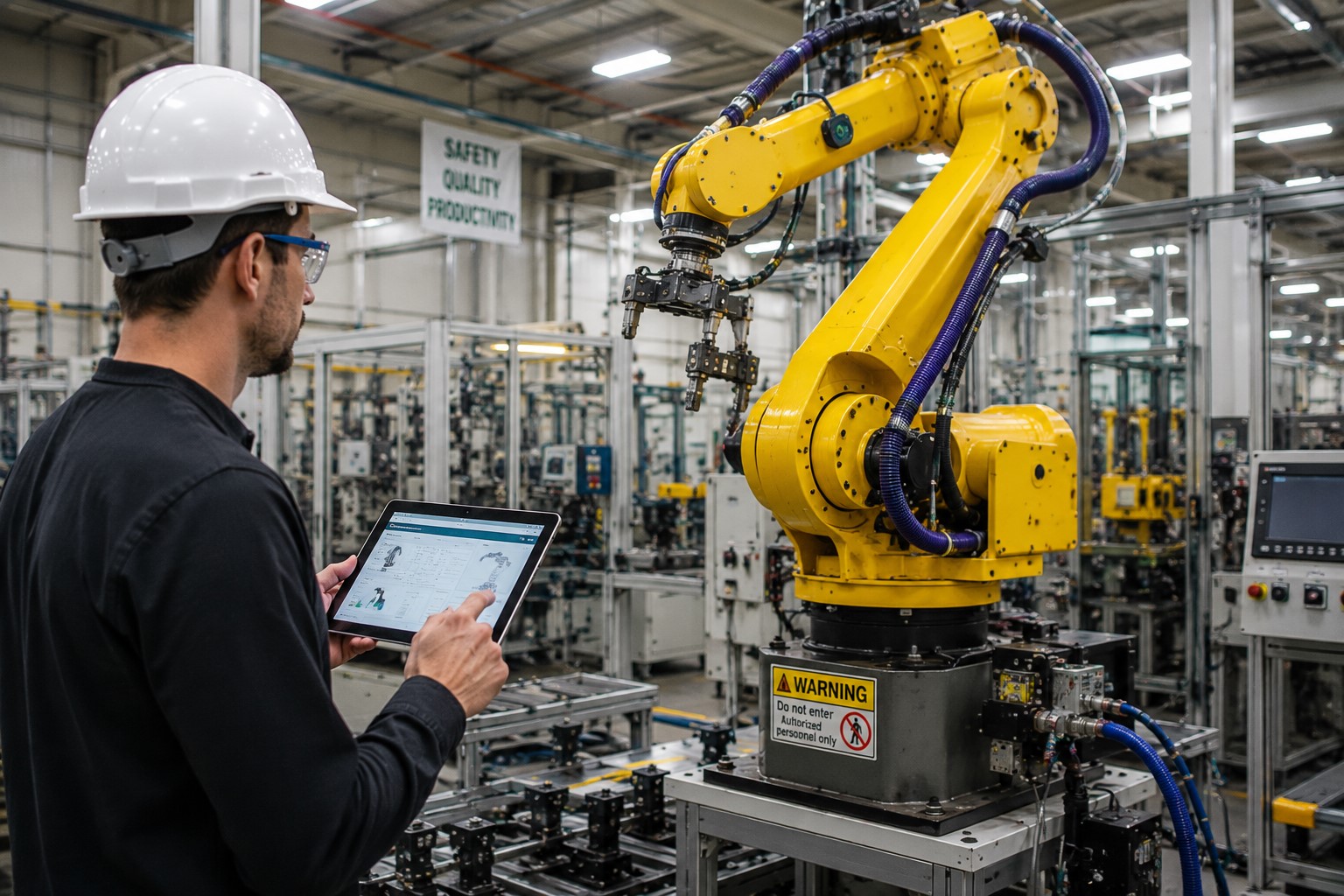
As opposed to traditional processing machinery, CNC devices require less human participation in production and ensure uniformity of processes conducted in large batches of products. When combined with automation technologies, such as robotic equipment, sensors, and other devices, CNC machines help businesses create a more effective and scalable production range.
Knowing CNC machine classifications enables industrialists to make decisions regarding the types of machines they will be using in their work.
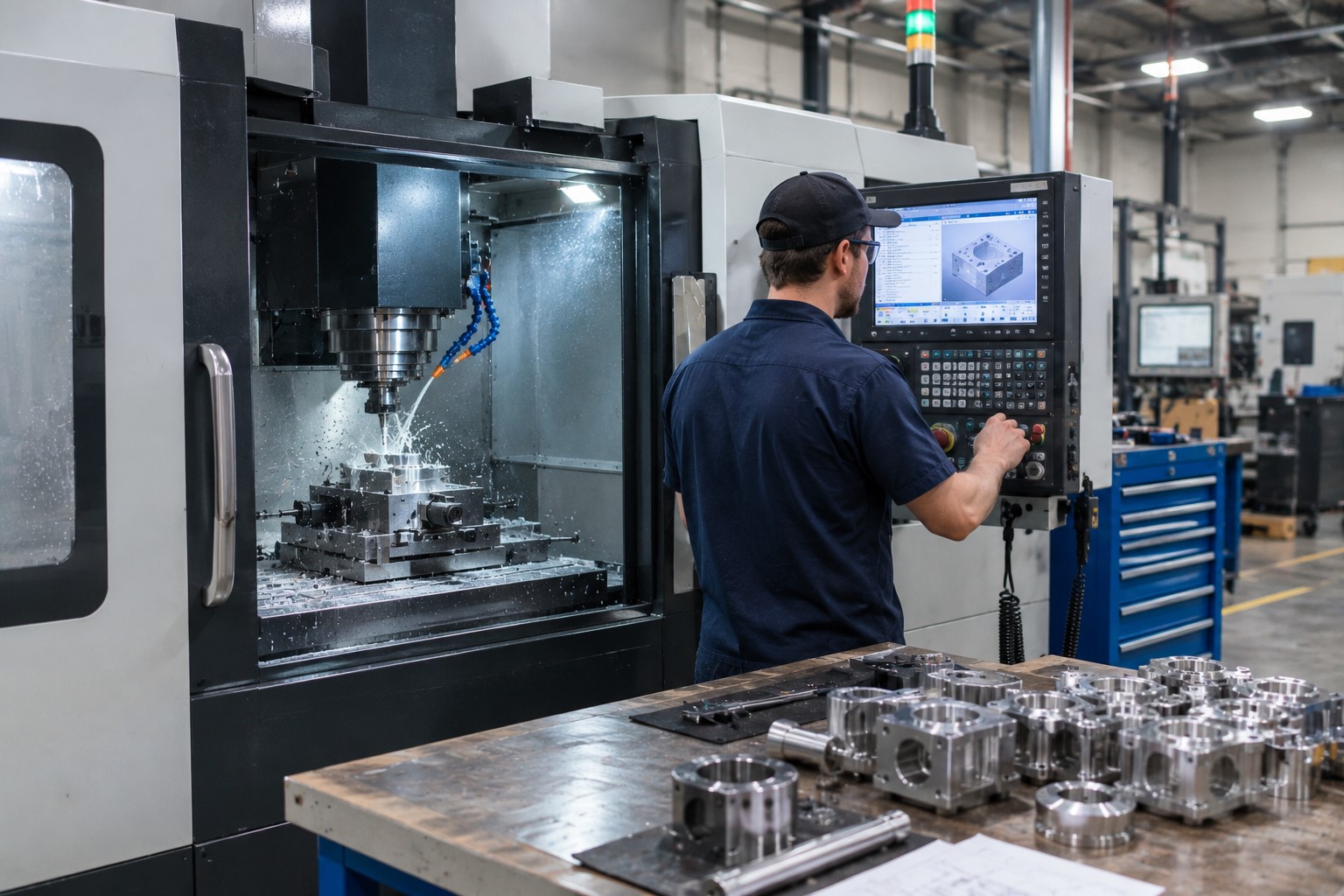
CNC Milling Machines employ rotating cutter elements that are used to remove material from different workpieces. In addition, such machines are known for producing complex features, including grooves, shapes, and other sophisticated features comprising items made from various materials such as metals and plastics. Examples of industries that usually use this machine include the automotive sector, machine housings, aerospace industries, etc.
CNC Lathe machines are machines that rotate workpieces while manufacturing the shapes of their elements. In addition, they have become very popular because of their ability not only to perform standard-shaped elements, like cylindrical objects, but also complex shapes. Also, the significant areas of application of these machines comprise the oil and gas, automotive, and engineering sector industries.
A laser cutting machine employs a highly focused laser to carry out cuts. They are ideal for cutting sheet metal, complicated designs, signs, and enclosures, among others. Some of their benefits include precision, minimal wastage of materials, and processing of complicated designs.
CNC plasma cutting involves the use of an electrically conductive plasma arc of high temperature to carry out cuts on conducting metals. The plasma cutting machines are often used in heavy fabrication, structural steel manufacture, shipbuilding, and manufacturing of industrial machinery, among others.
The CNC router is suitable for cutting and profiling wood, plastics, composite materials, and certain kinds of metals based on the machine’s capabilities. The CNC grinding machine, on the other hand, ensures that tools, bearings, and hardened parts are processed to get accurate measurements and excellent surface finishes.
The industrial CNC machines for sale have varied applications such as:
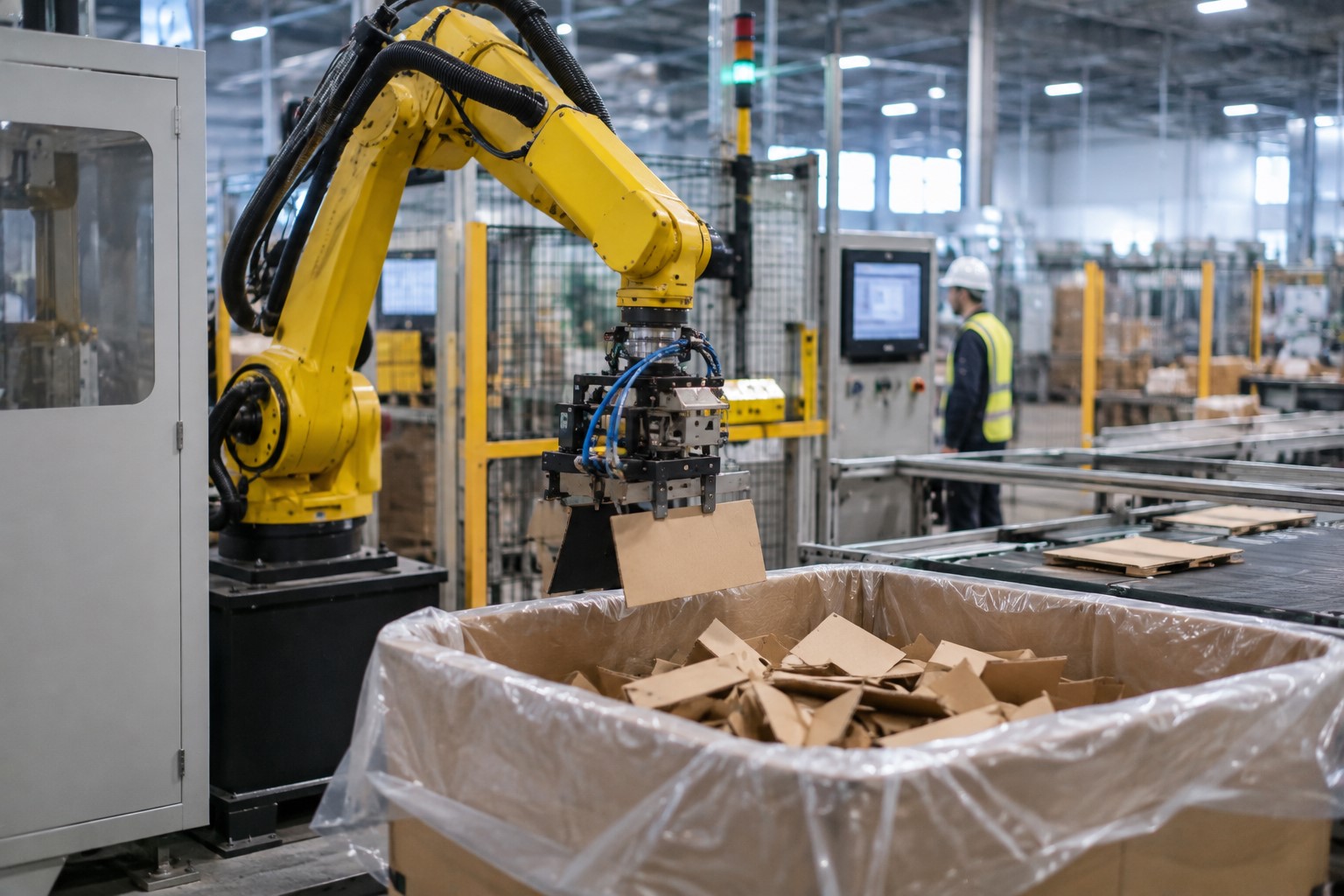
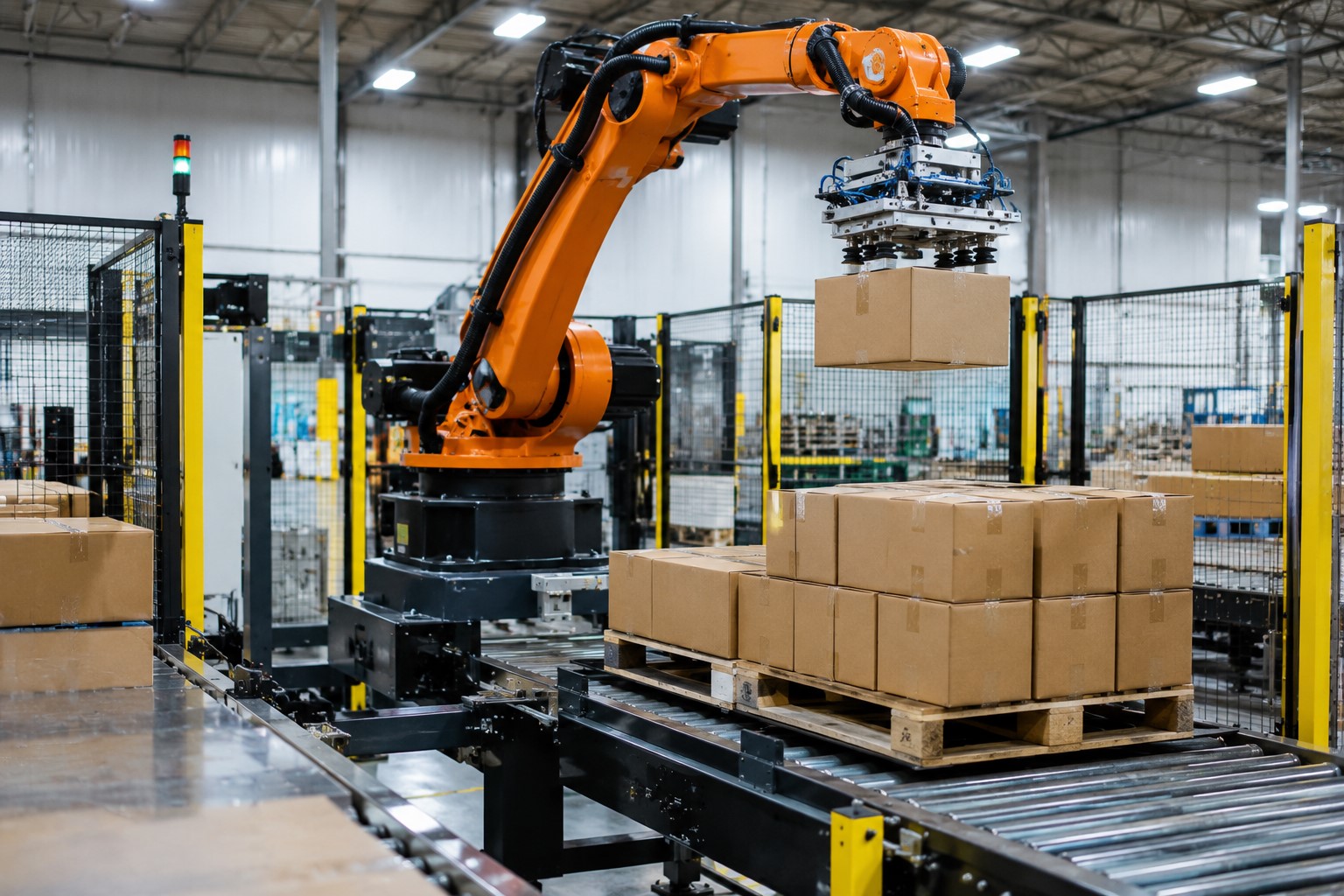
The integration of CNC machines with industrial automation products, robotic arms, conveyor systems, and automated testing machines increases productivity by minimizing manual activities.
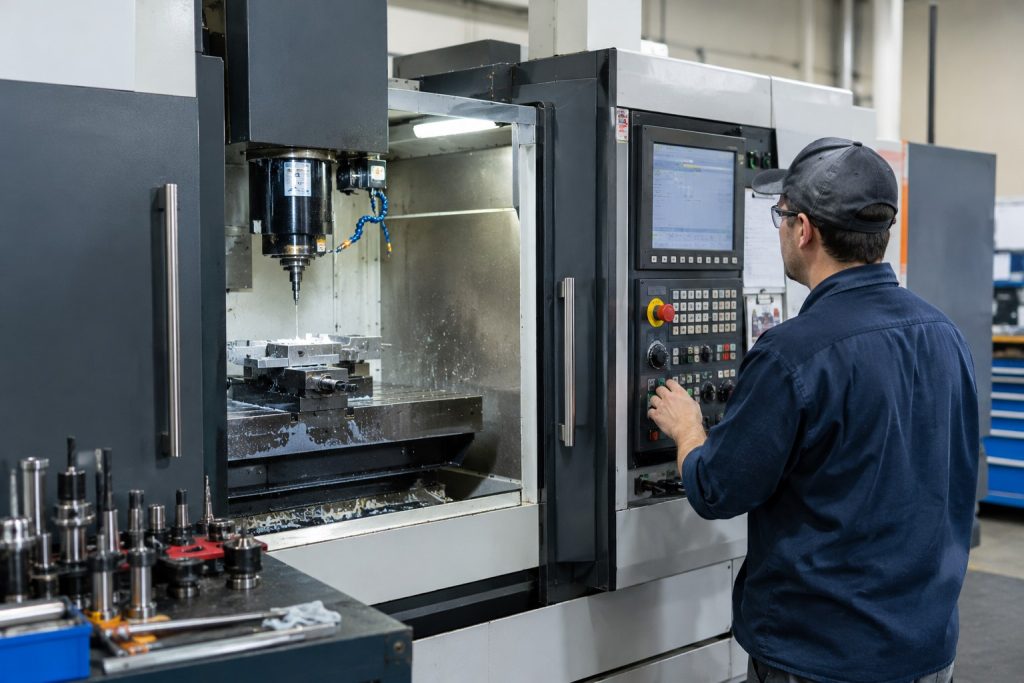
The selection process should consider both technical and business needs.
Identify which materials you will work with, such as steel, aluminum, stainless steel, plastic, wood, or composite materials. Think about the material thickness, size of components, required surface finish, and machining needs. The machine needs to be compatible with your material choices and planned uses.
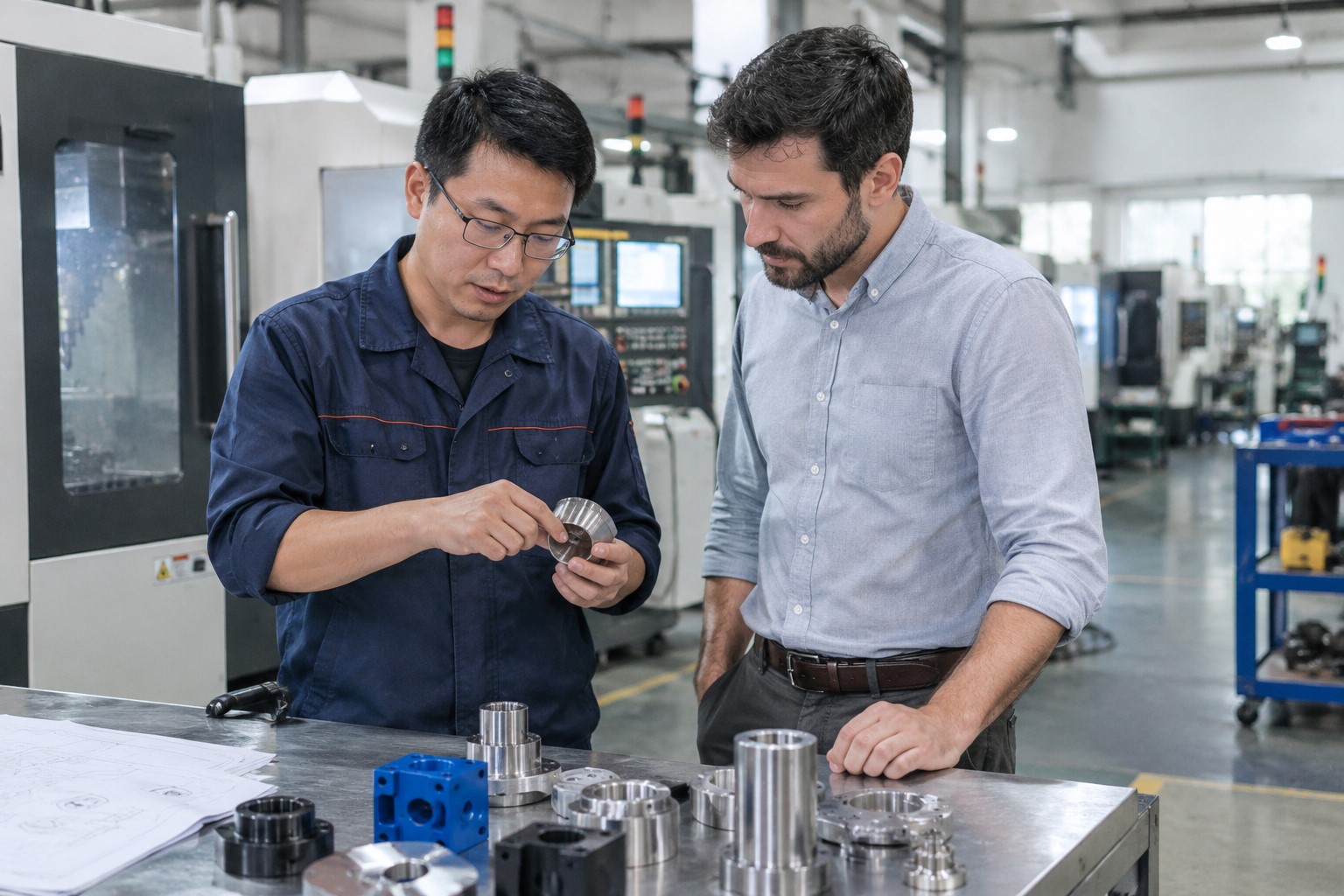
Consider precision and repeatability, spindle speeds, cutting capacity, and the tolerances that can be achieved. CNC machines for manufacturers who need a high volume of product may want multiple-axis CNC machines or loading/unloading systems.
See if the CNC machine can be integrated into your current industrial automation system, PLCs, robotic arms, sensors, and MESs. This integration capability means that coordination, monitoring, and even further automation in the future are easier.
This consideration involves looking at more than just the cost of the machine. This includes costs related to tooling, installation, training, maintenance, energy consumption, spare parts, and software. Reliable parts and service can help cut down on costs.
Ensure that the proper machine guarding, emergency stops, operator safety, and all safety standards are followed. Also consider the warranty offered, maintenance support, and upgrade options. The right CNC system must be able to cater to the production requirements of the future without replacing the whole system.
The correct CNC machine for sale can increase accuracy in dimensions, lower scrap rate, increase production reliability, and decrease manufacturing cycle time. Also, automation will assist in standardizing processes and optimizing resources.
A correct CNC machine, in combination with the right industrial automation solutions and industrial automation products, can help in creating a connected, productive, and flexible manufacturing environment.
In order to select the best industrial CNC machine, one must find the balance between machining requirements, machining precision, production capability, automation suitability, and operational costs. Selecting the right CNC system will help you improve your manufacturing process and support future growth of your business.
Check Yiruixing Technology to get more information about industrial automation solutions and machines for today’s manufacturing industry. Feel free to contact the team to discuss your manufacturing process and find the right automation solutions for your production facility.
Which is the ideal industrial CNC machine for manufacturing?
It all depends on the material, part design, process, tolerances needed, and production quantity. While CNC milling machines are ideal for making parts with complicated geometries, CNC lathes are suitable for machining cylindrical parts, while laser or plasma machines are ideal for various forms of metal cutting processes.
What is the price range of an industrial CNC machine?
The cost ranges based on the type of machine, machining zone, axis count, spindle power, automation features, and brand. The buyer should consider the cost of ownership rather than the cost of buying.
Are CNC machines compatible with industrial automation systems?
Yes. CNC machines that are compatible can be interfaced with robotic arms, PLCs, conveyors, sensors, and automated inspection systems to improve efficiency in handling materials and processing tasks.
What factors influence the accuracy of CNC machining?
The accuracy of CNC machining is influenced by machine stiffness, calibration, state of the tool, thermal stability, clamping of the workpiece, cutting parameters, and maintenance of the machine.
How do I maintain my industrial CNC machine?
Ensure you follow the maintenance schedule of the machine, keep lubrication of all moving parts, inspect the cutting tools, clean the machine, and check coolant fluid level and calibration regularly.