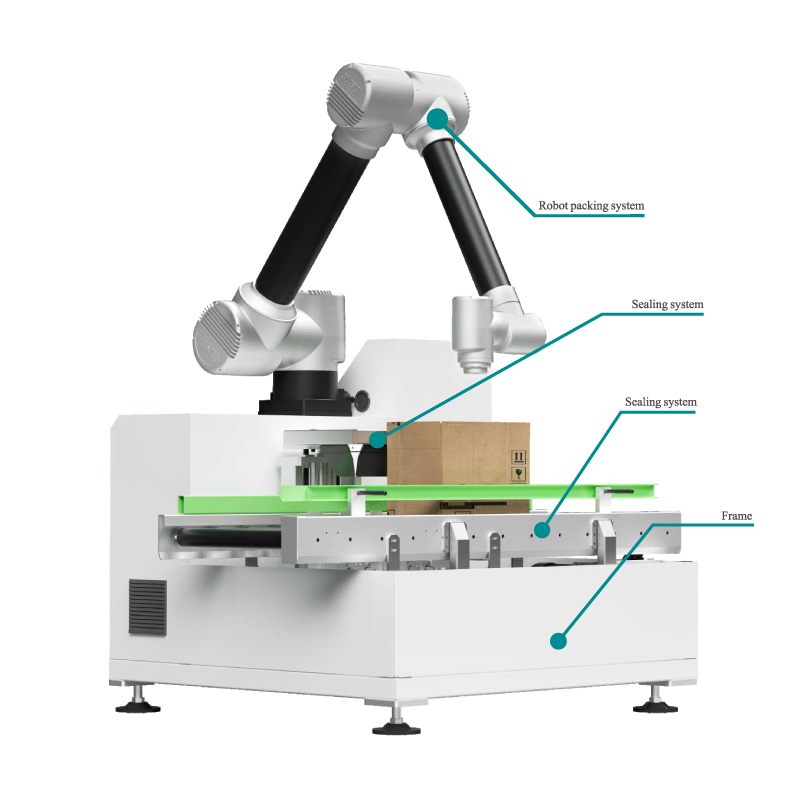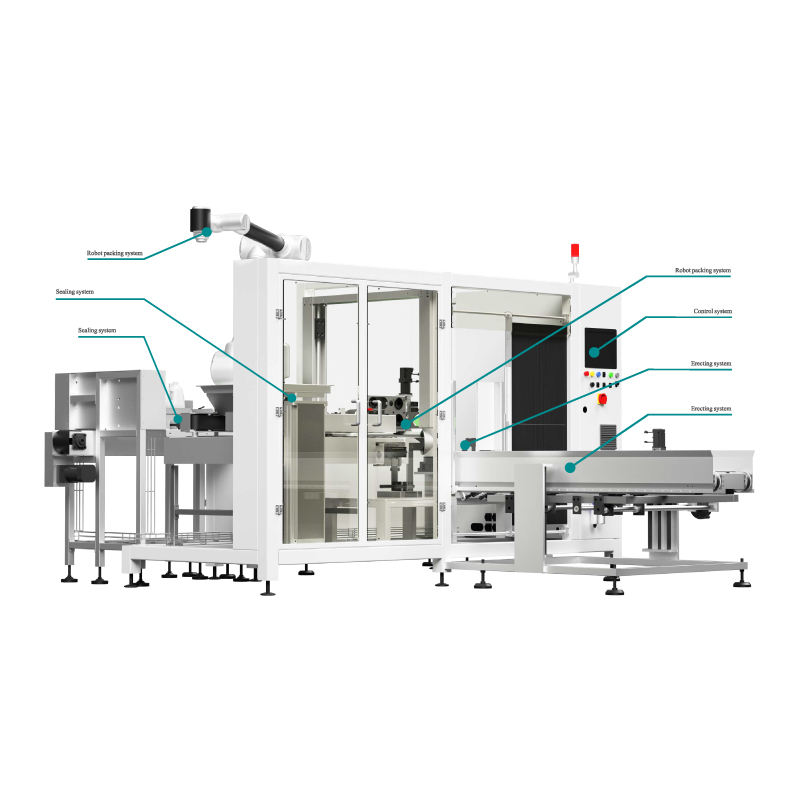
YRX-XZ16 / XZ20
Collaborative Erecting and Packing Machine

6-8 Cases/Min

16kg / 20kg
1800kg


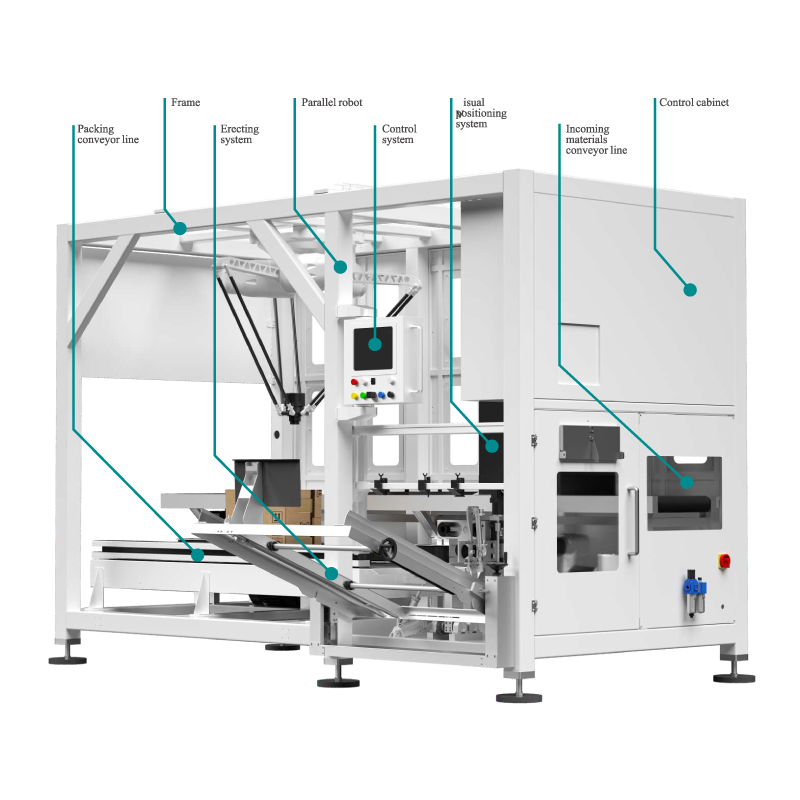
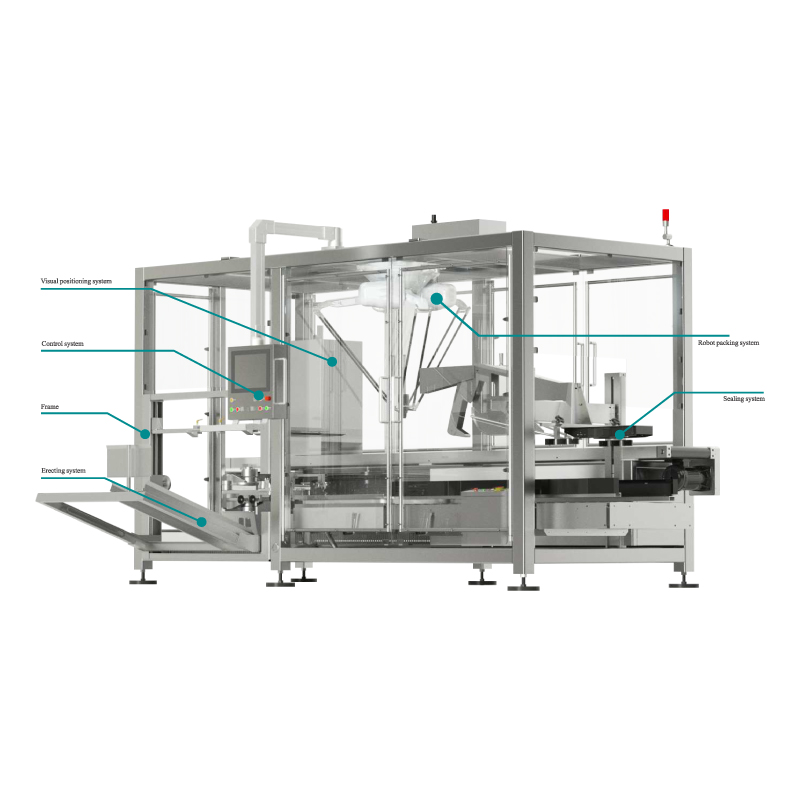
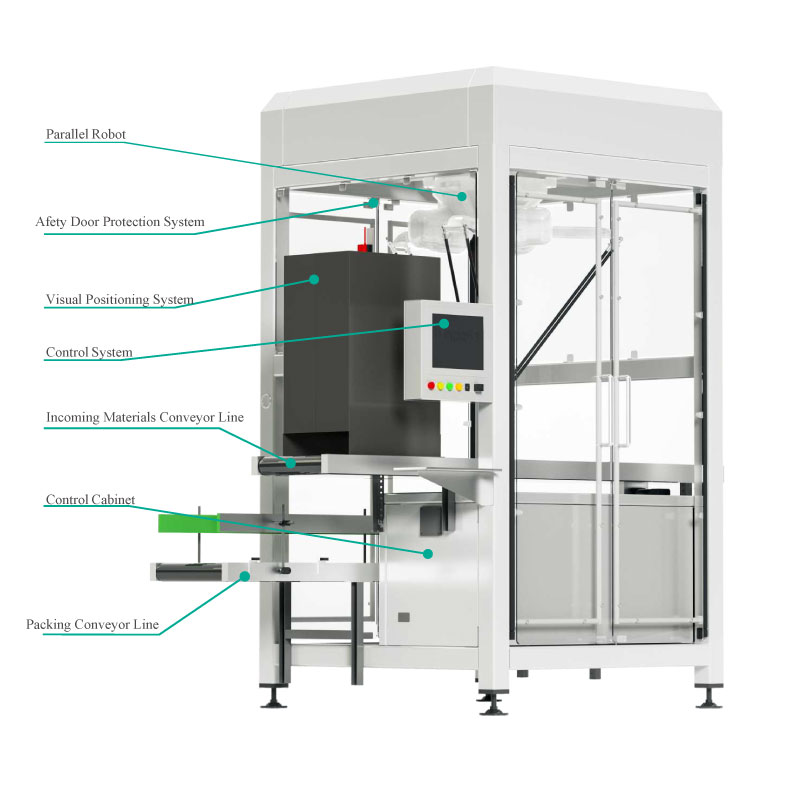
The customized automated equipment is built according to a specific manufacturing process, rather than forcing the process to fit a ready-made machine. This kind of equipment may include robotics, conveyors, sensors, vision systems, controls, packaging machines, and material handling systems to automate certain operations.
From the point of view of the manufacturer, the goal is not merely to automate certain processes. The properly engineered system must help to increase manufacturing uniformity, efficiency, quality control, safety, and scalability of production.
Industrial automation plays an increasingly significant role in modern manufacturing. As reported by the International Federation of Robotics (IFR), 542,000 industrial robots were installed industrial robots in 2024, were installed in Asia showing the region’s important role in manufacturing automation.
The same IFR data shows that the world operational stock of industrial robots stood at about 4.66 million units in 2024, recording a rise of 9% from the previous year.
This development is part of a larger trend towards interconnected and flexible automated factories, where it becomes necessary for manufacturers to produce in an efficient manner while ensuring consistency of quality.
Custom automated equipment is an automation system designed for a specific product, process, production volume, or plant layout. Unlike using a generic machine, engineers use diverse technology based on the needs of the application.
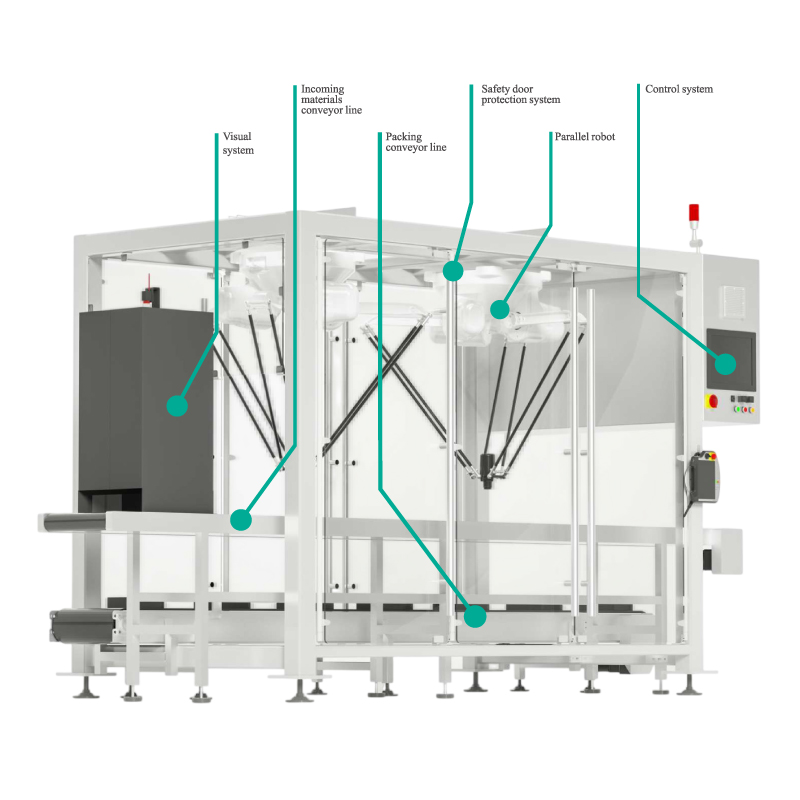
The custom automated system can incorporate robotic arms, collaborative robots, machine vision, conveyor belts, automatic feeding systems, packaging stations, sensors, PLC controls, and other material handling equipment.
According to the National Institute of Standards and Technology (NIST), there are benefits that manufacturing automation can offer, including improved productivity, greater production capacity, improved quality and consistency, worker safety, and improved operational data.
The right automated system can resolve particular manufacturing problems and at the same time contribute to overall production objectives.
According to NIST, robotics are becoming increasingly available not just to large-scale manufacturers because of advancements in sensors, software, and vision technology.
The automation system can be customized for use in various manufacturing industries, such as automotive components, metal manufacturing, machinery, packaging, hardware, consumer goods, furniture, electronics, and smart factory operations.
Common applications may include robotic pick and place, machine tending, assembly, product sorting, packaging, case erection, sealing, material handling, and automated inspection.
It all comes down to specific aspects such as production volumes, dimensions of products, cycle times, available floor space, variations in products, accuracy needed, and human intervention needed.
Yiruixing Technology is a manufacturer of numerical control systems, industrial robots, CNC machine tools, and customized automation systems. It says its engineering expertise includes numerical control technology, robot system integration, customization of automation equipment, quality control, and technical support.
Our engineering team consists of senior experts having extensive experience of more than 20 years in machine tools and automation. We have expertise in FANUC, Siemens, and Mitsubishi control systems, and provide custom-made solutions for your required level of accuracy and stability, rather than providing standard solutions for all.
Should you be thinking of automating manual-intensive workstations or retrofitting your existing production lines, feel free to call us for a complimentary process audit and a free customized layout quote.
What is custom automated equipment?
Custom automated equipment is a piece of machinery or an integrated production system that is designed specifically for one customer’s manufacturing process. Such equipment can integrate robots, conveyors, sensors, controls, vision systems, and other technologies to automate certain operations of production.
What are the major advantages of custom automation?
The major advantages of custom automation may vary, but may include increased productivity, better product quality, decreased manual labor, improved safety, and higher flexibility of the production process. All this depends on the specific process, equipment design, and production requirements.
In which industries can custom automation be implemented?
Custom automation can be implemented in automotive, metalworking, packaging, machinery, electronics, consumer goods, furniture, hardware, and any other manufacturing industries where repetitive or manual operations can be automated.
How is the system of custom automation designed?
Generally, engineers analyze the product, production cycle, required productivity, available floor space, material flow, involvement of operators, and future expansions. Then the manufacturing architecture for manufacture of automation is created based on all these factors.
Can custom automation be implemented together with existing equipment?
Yes, a custom automation system can be implemented together with existing CNC machines, equipment, conveyors, inspection systems, and any other factory equipment. All of this depends on interfaces, control systems, safety, and the workflow of the production process.
What is the average lead time for your customized automation systems?
Lead time averages 60 to 90 days based on the complexity and other factors associated with the customization, installation, and testing. We coordinate with customers to facilitate timely delivery.
Do you provide overseas installation, training, and after-sales spare parts support?
Yes, we do. We will provide overseas installation, training, technical support, and after-sales services to help optimize your automation system.
Can you provide a turnkey automation system solution?
Yes, we can. We can provide you with a turnkey solution that integrates CNC machines, robots, conveyors, safeguarding systems, and controls to meet your production needs.