+
+
+
+
+

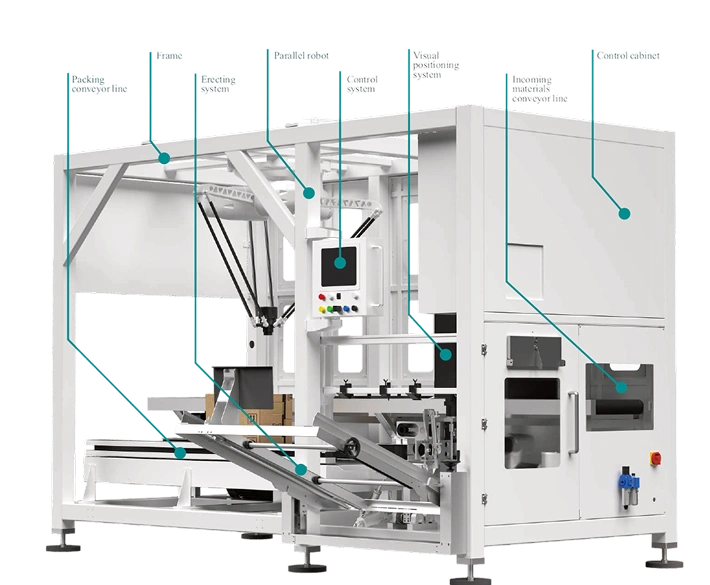
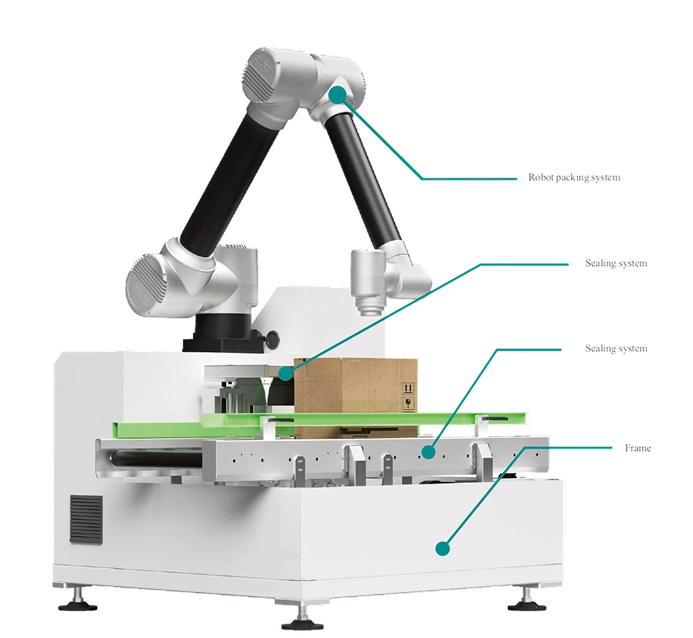
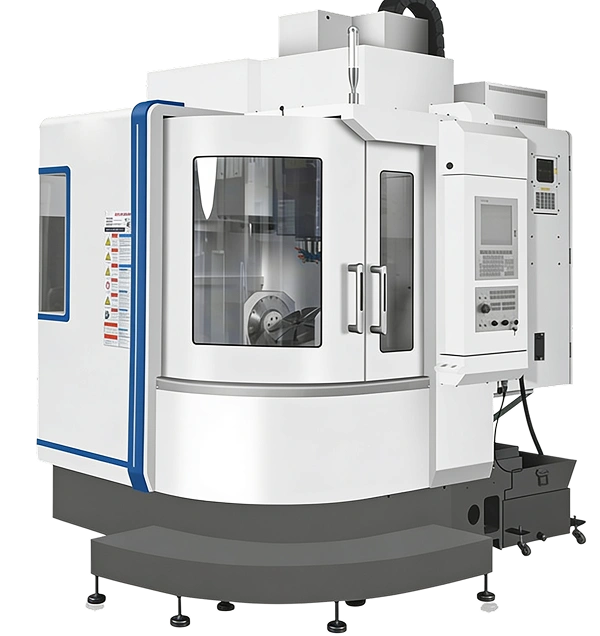
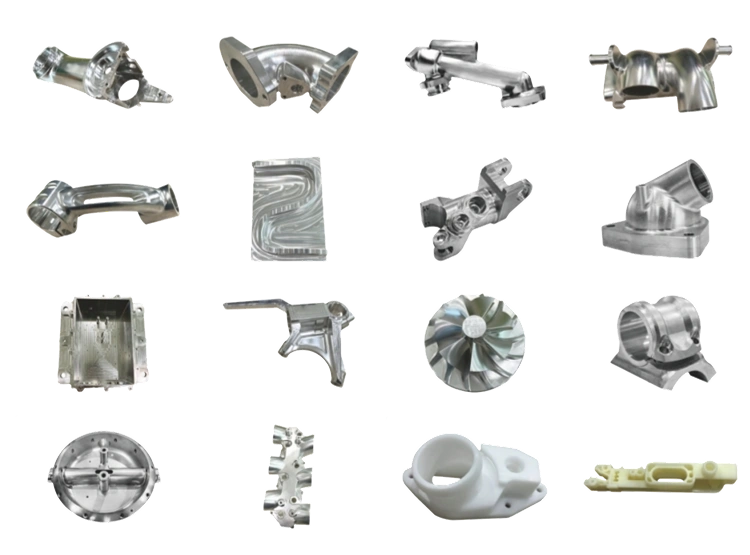
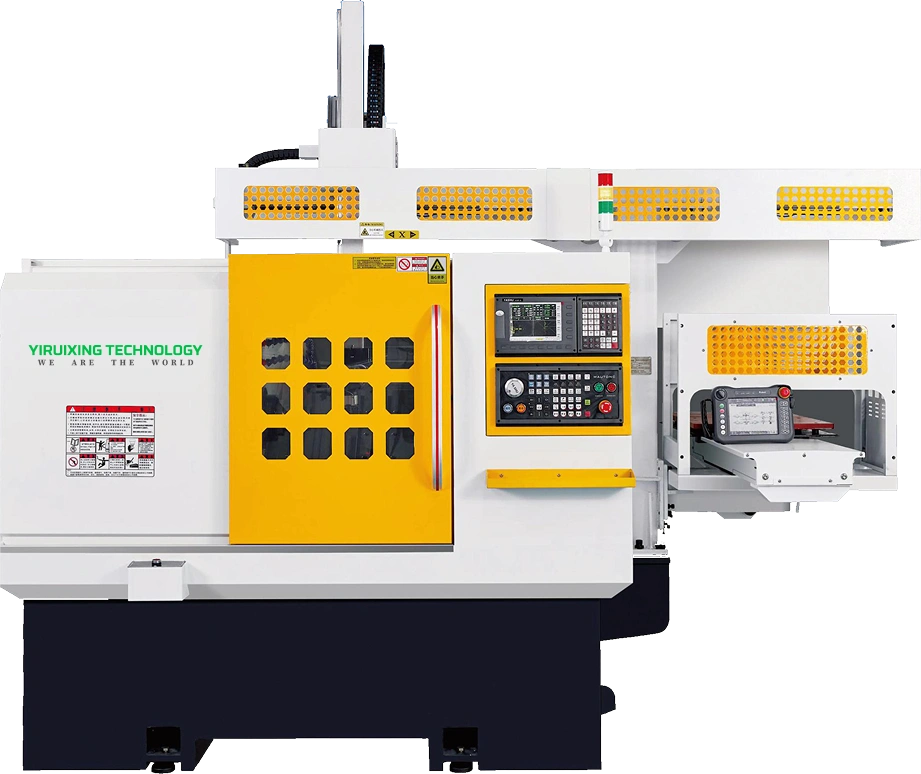
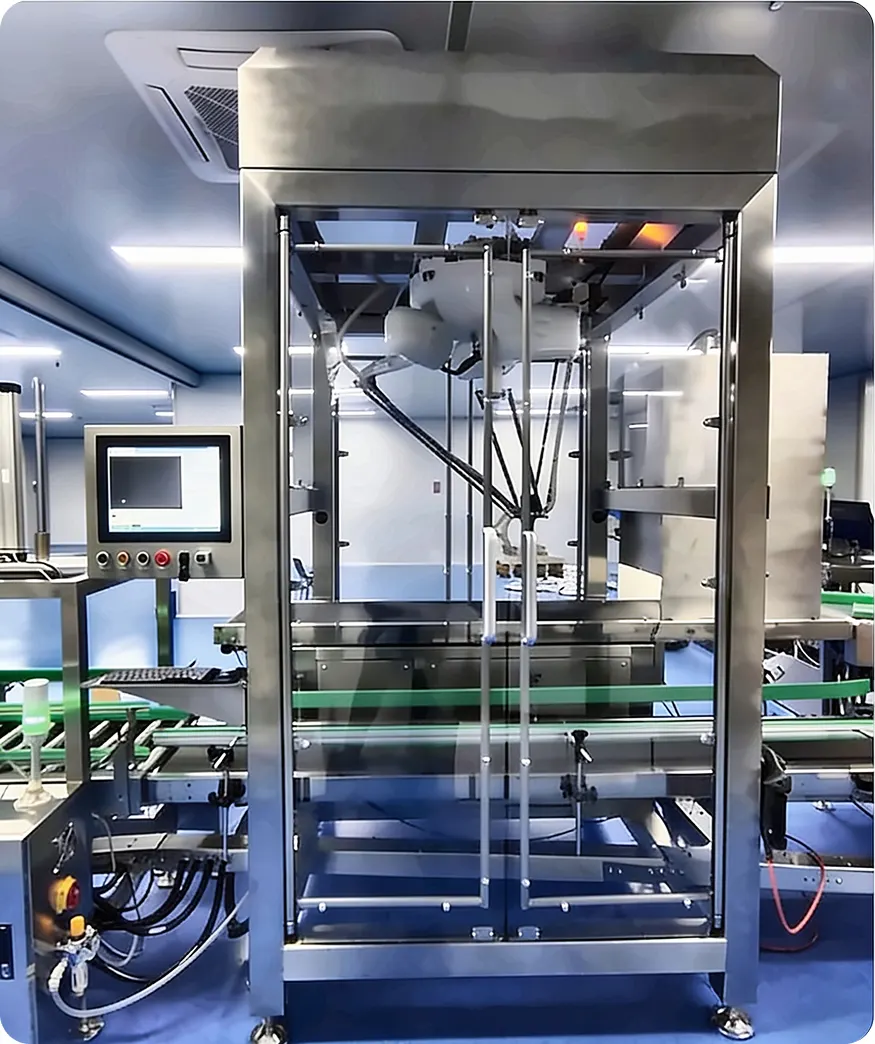
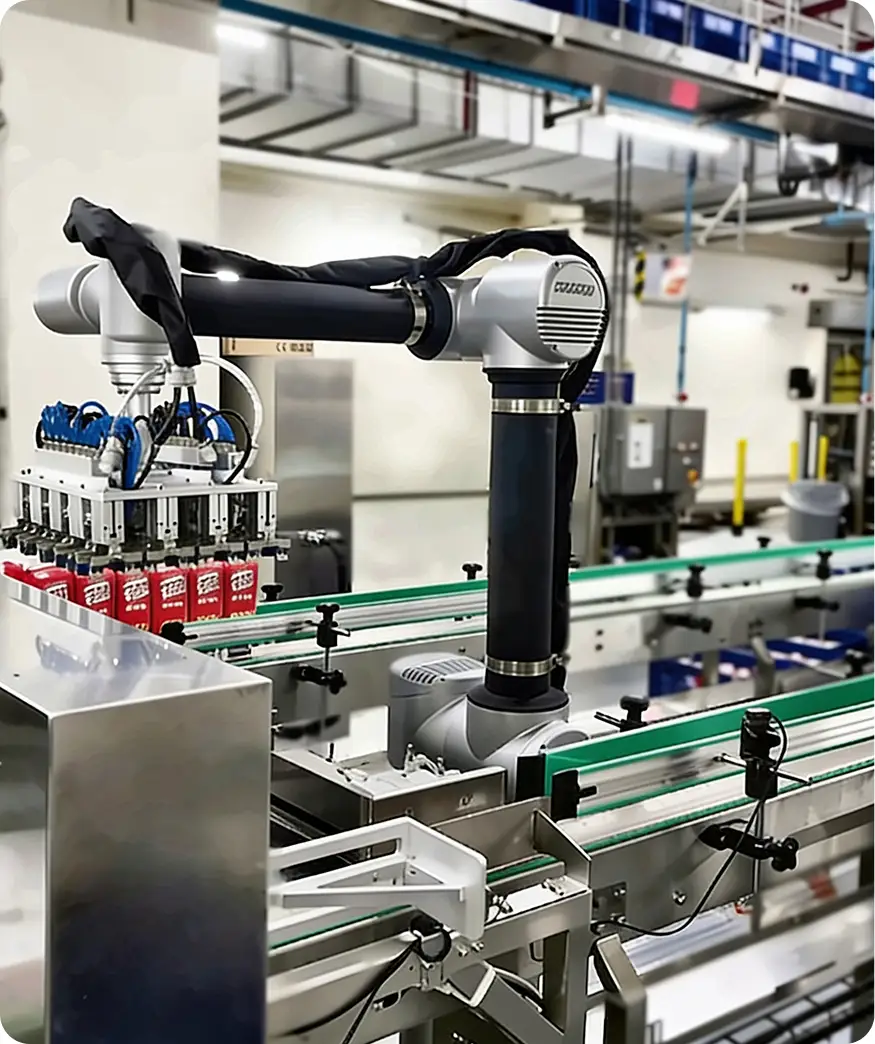
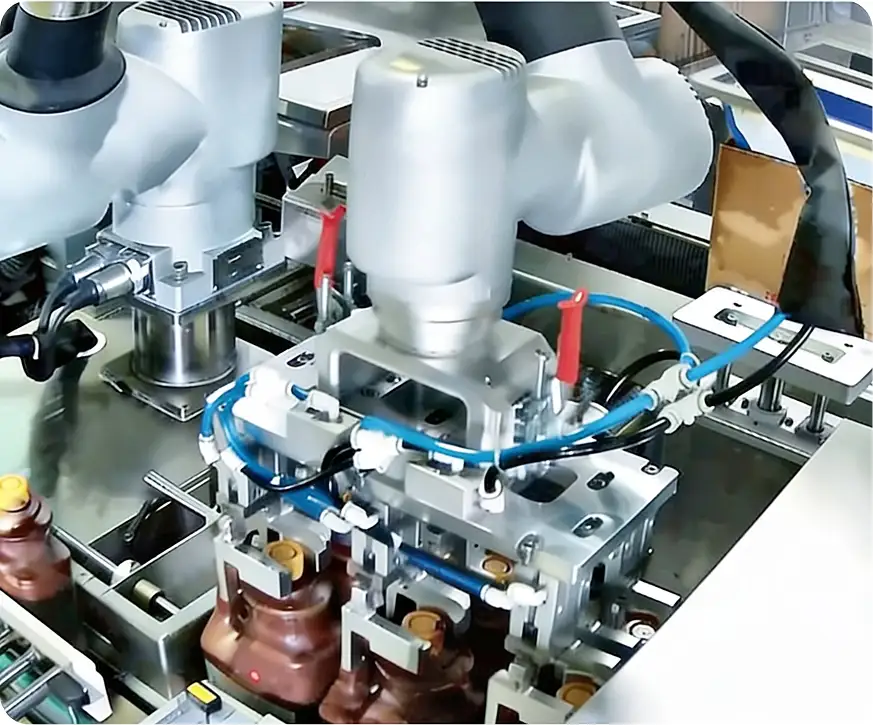
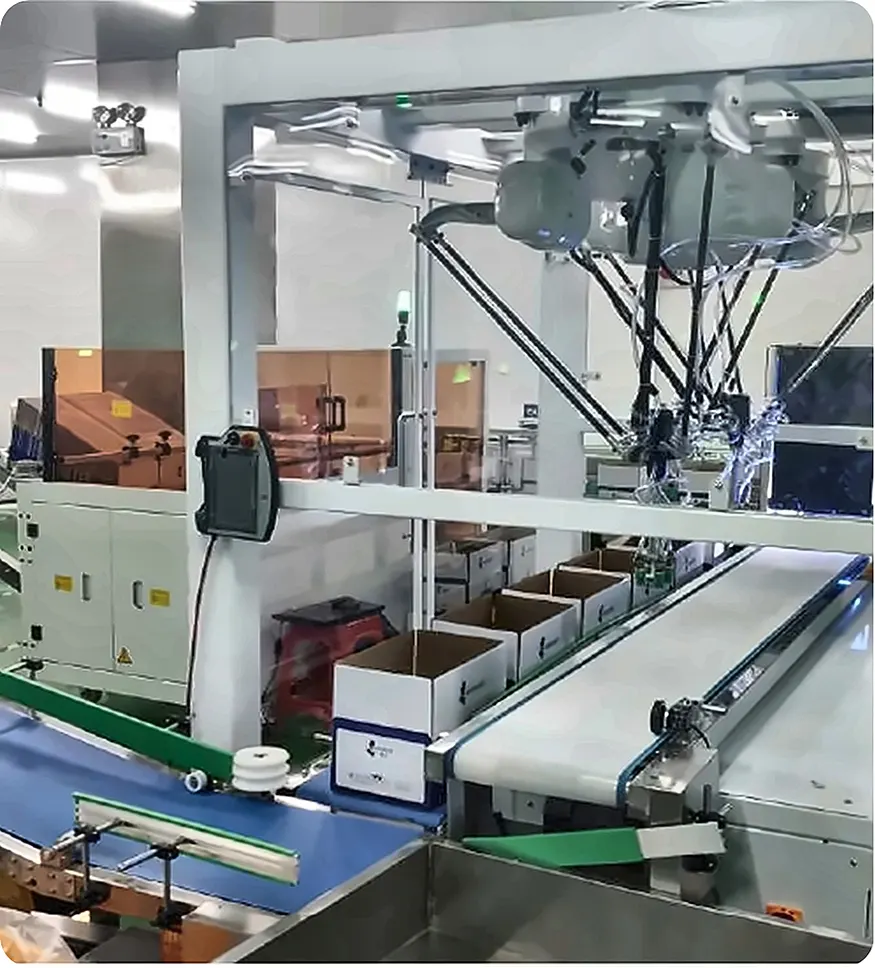
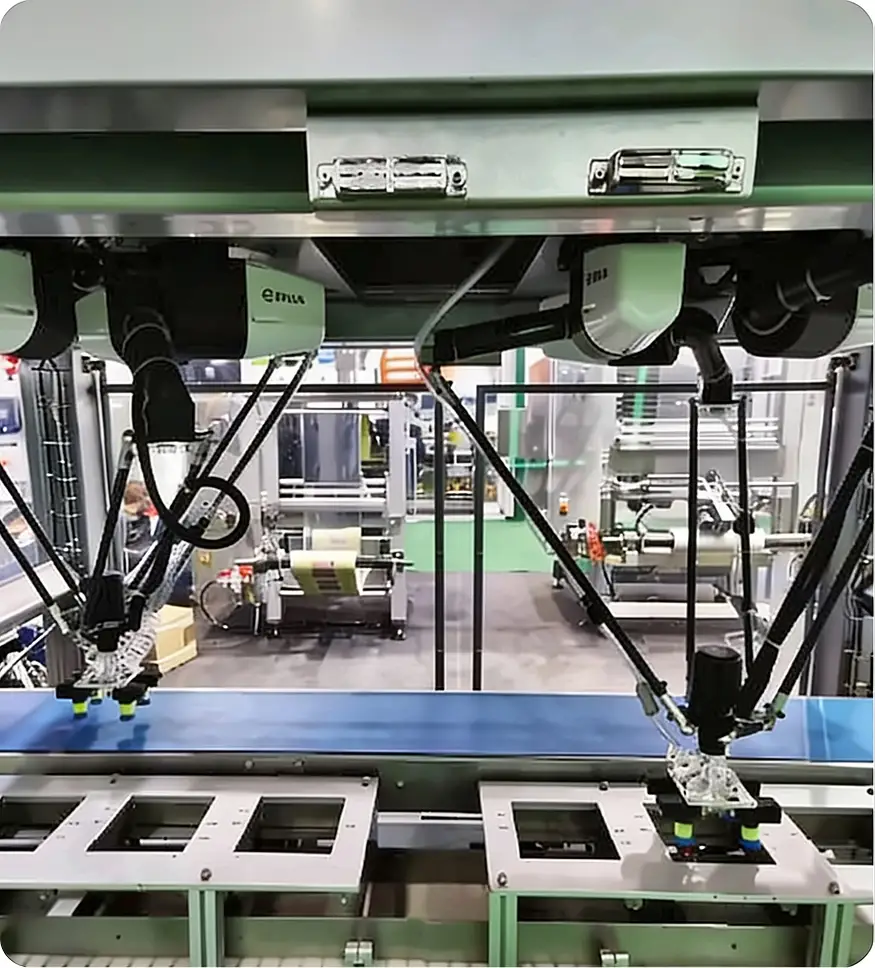
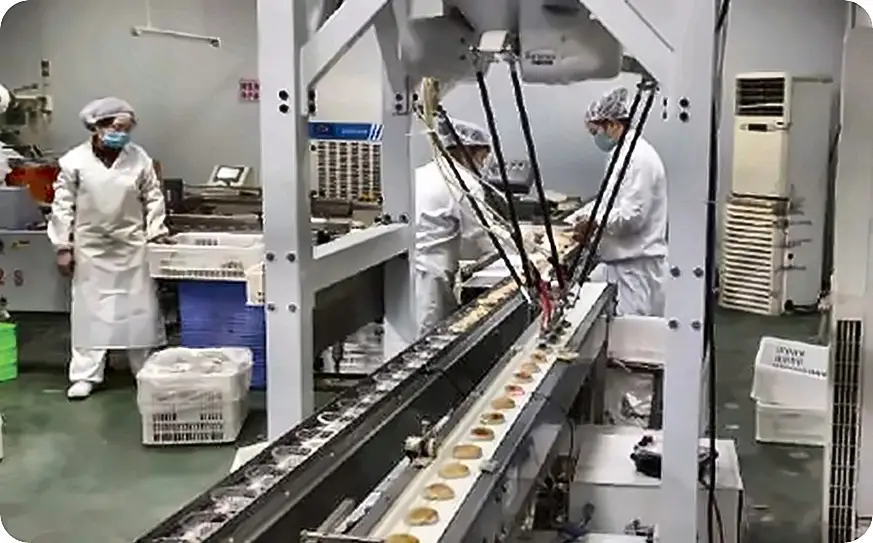
An appropriate industrial automation system helps in increasing the efficiency of the manufacturing process, consistency of the manufactured products, and safety of the workers. As stated in the data collected by IFR and NIST on industrial data worldwide, factory automation is increasing rapidly across the globe, and manufacturers will get the maximum returns by considering the actual working conditions while selecting the automation system.
The implementation of industrial automation systems results in improved efficiency, stability, and accuracy of the manufacturing process. But the best way to upgrade through automation is to match the solution to the production workflow and not the technical parameters of the equipment used.
As per data published by the International Federation of Robotics (IFR, 2024), around 542,000 industrial robots were installed across the globe in 2024, and the total number of operational robots in the world is more than 4.6 million. Thus, it can be observed that the implementation of robotic automation has become an essential part of modern-day manufacturing.
Manufacturing processes with repetitive cycles, evident bottlenecks, heavy manual handling, and inconsistent manufacturing are ideal for robotics and CNC automation upgrades.
According to the NIST official guideline, robotic manufacturing automation helps achieve higher productivity, production capability, dimensional accuracy, productivity rate, and workplace safety. Automation eliminates all human mistakes that usually lead to inconsistent quality and poor repeatability.
There are three major factors that influence the selection of proper automation technology: production rate, product variety, and factory floor space.
High-rate standardized production needs fixed, efficient dedicated automation technology.
A production environment with multiple products and flexibility needs re-programmable robots.
According to NIST industrial automation studies, current robotic systems provide quick programming and reprogramming, enabling factories to respond promptly to any changes in production requirements and avoid expensive machine changes.
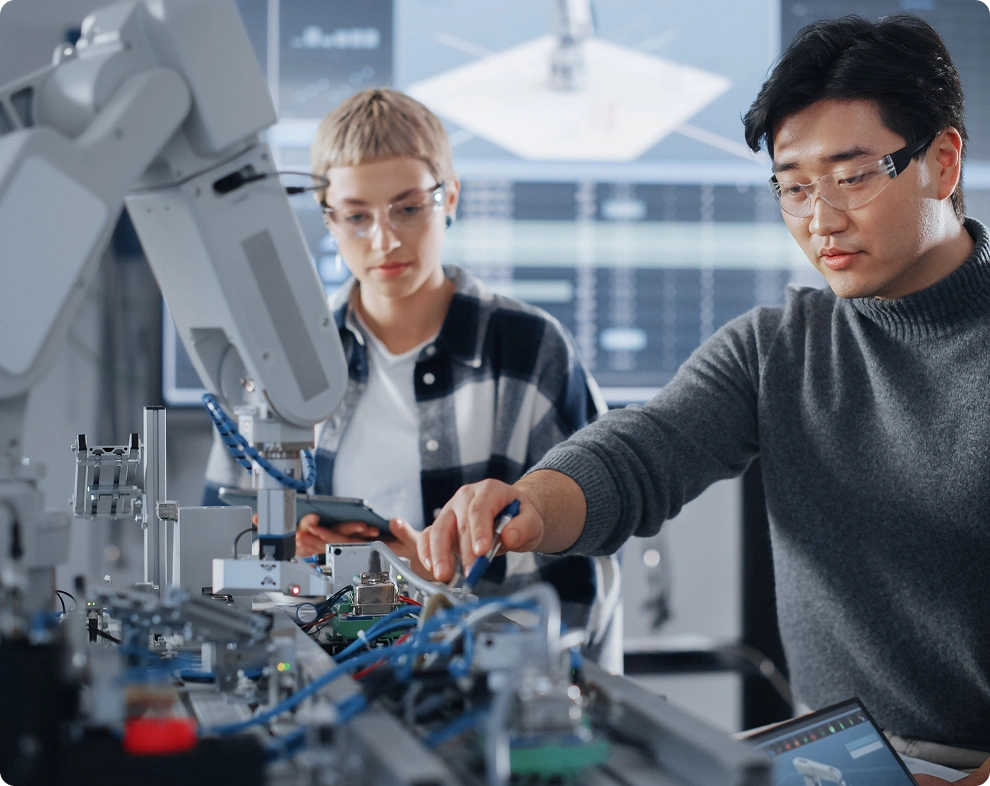
True industrial automation optimization requires systematic integration rather than single-piece installation. A high-performance production line needs system integration of robot arms, CNC machinery, conveyors, visual inspection systems, and control systems.
NIST identified three major aspects of the future robotic manufacturing system, including integration compatibility, flexibility of work, and multi-unit collaboration capability. System integration alone ensures sustainable and lasting production increases.
Before implementing any automation upgrade, manufacturers should take into account maintenance costs, upgradability, availability of technical support, and scalable production capabilities. Scalable automation enables factories to increase production volumes and make adjustments without reconstructing an entire line.
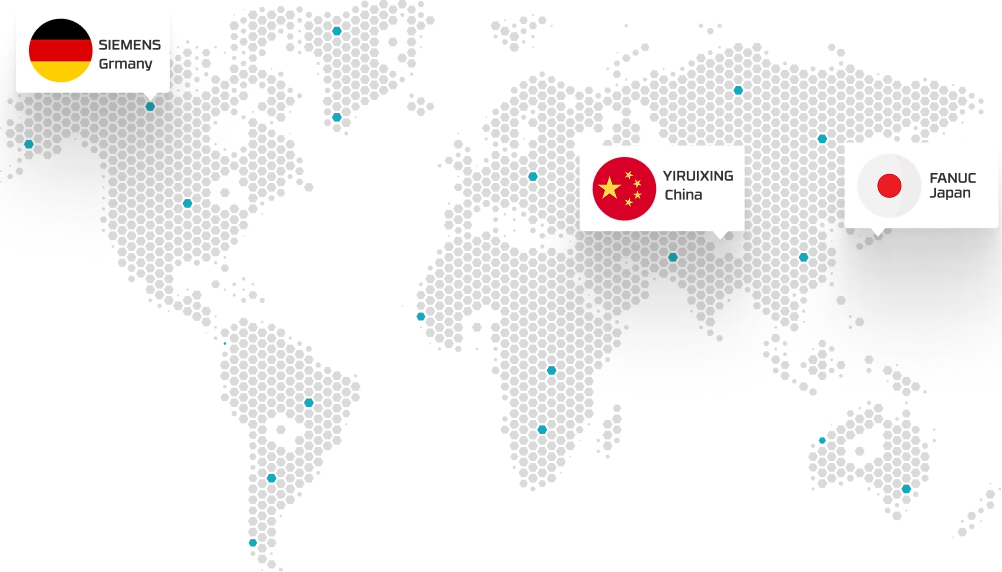
Based on the statistics of global robot density (IFR 2023), the global average of robot density amounted to 162 robots per 10,000 manufacturing workers in 2023, which is more than twice the figure recorded seven years earlier. The fast growth rate indicates the necessity of planning the scalability of automation for the sustainable development of factories.
Automation with robots makes modern manufacturing capable of executing high-repeatability and high-precision operations with stable production. This approach involves minimal human involvement, minimizes operation errors, and decreases production time.
NIST proved that robotic automation reduces production variations and decreases job execution time, which positively influences factory output capacity and uniformity.
Integration of robotic technologies into CNC machining and material handling processes provides an advanced approach for the development of the production process in expanding manufacturers. Automated systems provide improvements in production efficiency, stability, safety, and flexibility, helping manufacturers adapt quickly to market demands.
Yiruixing Technology is a company that offers industrial automation and robotics to help manufacturers to optimize production efficiency, reliability, flexibility, and performance. With years of experience in industrial automation, Yiruixing Technology helps its customers to find the most efficient way to implement practical solutions for production automation.
Yiruixing Technology is a provider of robotics, CNC automation, material handling, and automation solutions aimed at assisting manufacturers in upgrading their manufacturing process. The main idea of YRX is to offer scalable solutions based on application requirements and production workflow.
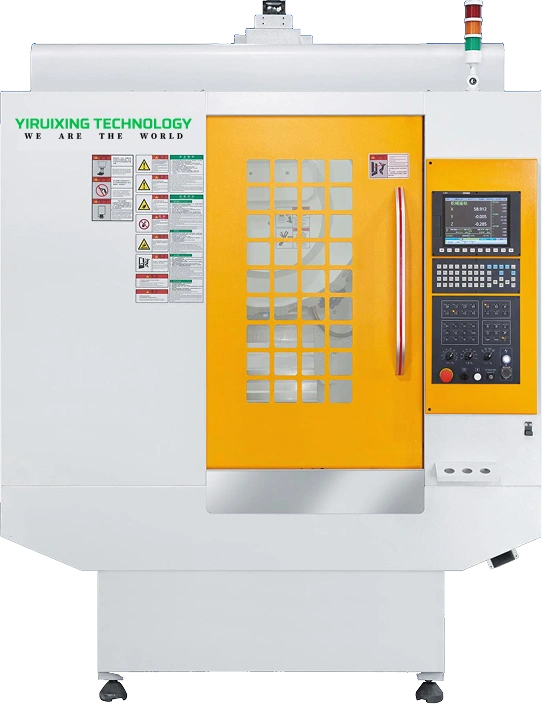
Factories with a large number of repetitive operations, quality fluctuations, bottlenecks, and labor-intensive production are the most suitable for automation.
No. New-generation flexible robots can perform small-batch and multi-type production, which is great for diversified orders.
System automation brings stability to total output and scalability, while improving one operation with a separate piece of machinery does not bring such benefits.
Statistics on global robot density show that manufacturing automation keeps growing constantly. Scalability prevents additional investments in machinery and ensures future factory growth.
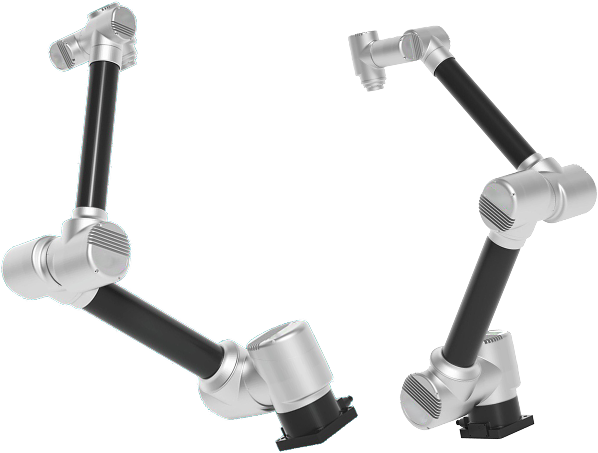
Yiruixing Technology offers robotic arms, CNC machines, automated machines tailored to the customer’s application, packaging machines, vision positioning systems, conveyor systems, material handling machines, and more.
Yes. Yiruixing Technology designs customized automation solutions according to the customer’s production needs, available space in the factory, automation, and manufacturing process.